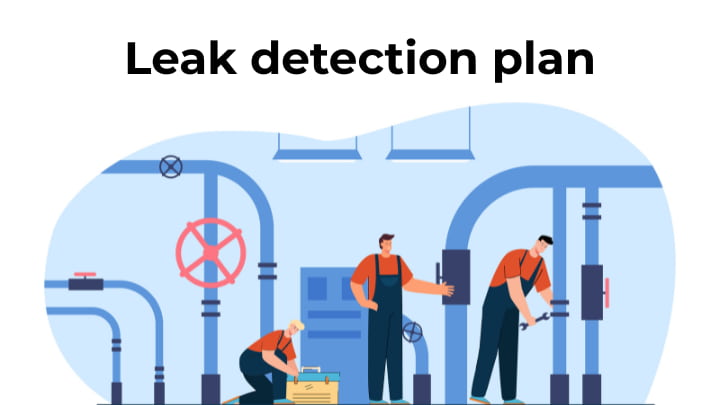
Leaking in home is one of the major issue of any one. Early leak detection plan helps identify hidden water or gas issues before they cause costly damage. Undetected leaks can lead to structural damage, mold growth, and increased utility bills.
To talk about common sources, they are plumbing systems, roofs, foundations, and HVAC components. Regular leak detection saves money, protects occupant health, and preserves property value. Modern technologies, such as acoustic sensors, infrared cameras, and smart water meters, improve accuracy and reduce disruptions.
Lets understand how a proactive leak detection plan, including inspections, monitoring devices, and occupant awareness, is essential for long-term property safety and efficiency.
Understanding leak detection
Properly maintaining a property means staying vigilant about the potential for unwanted water or gas escaping within plumbing or HVAC systems. Leak detection is the process of identifying and precisely locating these hidden problems before they snowball into costly disasters. Numerous businesses and homeowners come across high water usage Jacksonville, FL due to undetected leaks, often realizing too late the value of early detection.
Modern leak detection harnesses both innovative technology and traditional inspection methods to discover issues that might otherwise remain hidden. By addressing leaks promptly, property owners can safeguard their investments, prevent further damage, and comply with local water regulations. Proactive leak management is a crucial step in maintaining buildings’ safety and efficiency, ultimately reducing long-term property expenses and enhancing sustainability.
Common causes of leaks
Leaks in a property can originate from a variety of sources, each with its own triggers and warning signs. Plumbing failures are among the most prevalent, with burst or cracked pipes, worn-out fixture seals, and faulty appliance connections rendering homes and businesses vulnerable to water damage. Fury weather or poor roof maintenance can lead to roof leaks as damaged shingles and compromised flashing allow water to seep through, while foundation cracks let moisture penetrate below the surface.
Meanwhile, HVAC system issues – like overflowing condensate pans, blocked drain lines, or malfunctioning parts, can also result in hidden leaks that progressively damage interiors.
Understanding the root causes of leaks is crucial for preventing water loss and minimizing costly repairs. In older homes or commercial buildings, outdated materials and a lack of routine inspection are often to blame. Even properties with new plumbing can develop leaks due to improper installation, sudden pressure fluctuations, or extreme temperature fluctuations.

Risks associated with undetected leaks
- Structural Damage: Water infiltration gradually weakens beams, foundations, walls, and ceilings, often remaining invisible until critical repairs are needed. Long-term exposure can create rot and compromise the property’s structure.
- Mold and Mildew Growth: Persistent dampness invites mold spores to thrive, affecting not only the building materials but also the indoor air quality. Prolonged mold exposure can trigger allergies and, for sensitive individuals, respiratory complications.
- Increased Utility Bills: Even seemingly minor leaks contribute to a waste of water or energy, resulting in dramatically higher monthly costs. What starts as a small drip can waste thousands of gallons over time, straining budgets.
Benefits of regular leak detection
- Cost Savings: Detecting and fixing leaks early can prevent substantial repair bills and preserve your water, ultimately lowering monthly utilities and avoiding emergency remediation.
- Health Protection: By removing moist conditions that encourage mold and mildew, routine leak detection creates a safer indoor environment, shielding occupants from dangerous microbial growth.
- Property Value Preservation: Regular maintenance, including leak management, preserves the integrity and appeal of the property, which helps maintain or even boost its market value.
Modern leak detection technologies
Recent advances in leak detection have enabled the diagnosis of issues with unparalleled accuracy and minimal disruption. Common technologies in use today include:
- Acoustic Sensors: These sensitive devices can detect the noises produced by water or gas escaping from a pressurized system, guiding professionals to the exact location of the leak, even within walls or underground.
- Infrared Cameras: By detecting temperature variations, infrared cameras can spot hidden or hard-to-access leaks. Cooler areas on thermal images often indicate moist spots behind surfaces or within insulation.
- Smart Water Meters: These devices monitor water usage patterns in real time, instantly alerting property owners to sudden changes or unusual spikes that may indicate a hidden leak.
Implementing a leak detection plan
Adopting a proactive approach to leak prevention can significantly reduce future risks. Property owners are encouraged to schedule regular inspections, particularly in areas with a history of issues or aging infrastructure. Installing water sensors and automatic shut-off valves in key locations can provide early warning of leaks and halt ongoing damage before it escalates.
- Regular Inspections: Hire professionals for periodic reviews of all plumbing, roofing, and HVAC systems to ensure optimal performance and safety. Early identification of potential weak points can prevent larger failures.
- Install Detection Devices: Place water sensors under sinks, near appliances, and in basements or crawlspaces. Automatic shut-off valves can offer an immediate response in the event of a leak, minimizing water loss and damage.
- Educate Occupants: Residents, employees, or tenants should be informed about the warning signs of leaks—such as damp spots, sudden musty odors, or unexplained spikes in utility bills—and encouraged to report them promptly.
Conclusion
Leak detection is an essential responsibility for property owners, not just for the sake of immediate financial savings but for long-term preservation and safety. By leveraging modern detection technologies and adopting a comprehensive leak management plan, owners can proactively address the silent threats that leaks pose to both property value and occupant health.
Early attention to potential leaks prevents structural deterioration, protects indoor environments, and ensures natural resources are used wisely. Commit to regular inspections and upgrades—your property, your wallet, and your peace of mind will thank you in the long run.