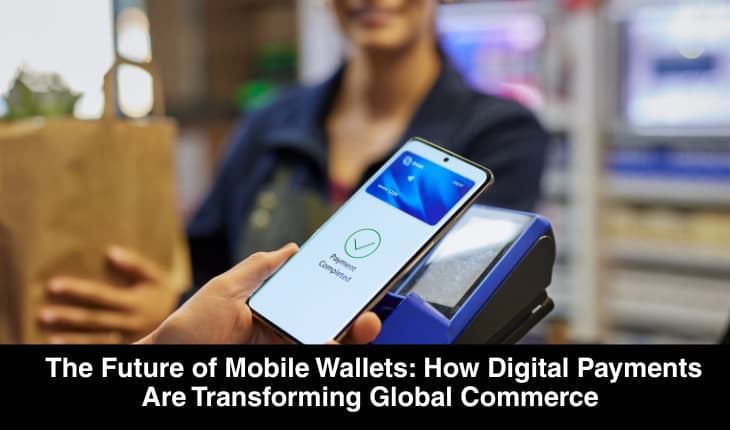
Over the past decade, the way people make payments has changed dramatically. Consumers are increasingly looking for faster, more secure, and more convenient payment methods. As a result, many are moving away from cash and embracing digital alternatives. We are moving towards mobile wallets in digital payments.
The widespread adoption of smartphones, the growth of internet connectivity, and the rise of FinTech services have made digital payments an essential part of everyday life. Businesses and financial institutions continue to invest heavily in the sector, driving innovation and expanding payment options for consumers.
According to information released by the Mercado de Billeteras Móviles y Pagos, mobile wallets have become a central pillar of the digital economy. They enable consumers to complete transactions quickly and conveniently while improving the security and accessibility of various payment channels.
Today, mobile wallets are transforming consumer behavior and reshaping business-consumer interactions. Consumers use them for online shopping, ordering food, paying bills, and sending money to friends and family.
The growing importance of Mobile Wallets
Mobile wallet applications have evolved far beyond simple payment tools. They now serve as comprehensive financial platforms that allow users to store card details securely, make payments, transfer money, and access additional services within a single application. Consumers increasingly value convenience. Instead of carrying cash and multiple cards, they can manage transactions directly from their smartphones.
This ease of use has played a significant role in the rapid adoption of mobile wallets around the world.
The growing popularity of contactless payments has further accelerated this trend. Consumers can complete transactions without handling cash or repeatedly entering card information. This creates a smoother and more efficient payment experience both online and in physical stores.
Key factors driving market growth
Several factors continue to support the growth of digital payment technologies.
Increased smartphone ownership
The availability of affordable smartphones has expanded access to digital financial services. Millions of consumers can now participate in the digital economy through mobile devices.
Smartphones have become essential tools for communication, entertainment, shopping, and financial management. As mobile device usage increases, digital payment adoption is expected to grow alongside it.
Expansion of E-Commerce
The rapid growth of e-commerce has increased demand for secure and convenient payment methods. Mobile wallets provide customers with a simple and efficient way to complete purchases. For businesses, integrating mobile wallet solutions can improve conversion rates and enhance the overall customer experience.
Enhanced security features
Modern digital payment systems incorporate advanced security technologies. These include biometric authentication, tokenization, encryption, and real-time fraud detection. These security measures help build consumer trust and encourage wider adoption of digital payment services.
Greater demand for convenience
Consumers consistently prefer payment options that save time and reduce complexity. Mobile wallets support instant transactions and provide a compelling alternative to traditional payment methods.
Benefits for businesses
Digital payment technologies offer numerous advantages for businesses of all sizes. Faster transaction processing improves the customer experience and reduces waiting times. Digital payments also generate valuable transaction data that businesses can use to better understand customer preferences and improve marketing efforts.
In addition, automated payment systems can reduce operational costs and improve transaction accuracy. These efficiencies provide organizations with a competitive advantage as consumer demand for convenient purchasing experiences continues to grow.
Emerging trends in digital payments
The digital payments industry continues to evolve in response to technological advancements and changing consumer expectations.
Artificial intelligence is becoming an important component of payment systems. AI helps detect fraudulent activity, improve security, and automate financial services. Contactless payments are experiencing rapid growth in both developed and emerging markets. At the same time, QR code-based payments are becoming increasingly popular among consumers and businesses.
Mobile wallets are also expanding beyond traditional payment functions. Many now offer a broader range of financial services, including digital banking, savings accounts, investment products, insurance solutions, and lending services.
Financial inclusion initiatives are further supporting digital payment adoption, particularly in underbanked and underserved regions.
Challenges facing the industry
Despite strong growth prospects, the digital payments industry faces several challenges. Cybersecurity remains one of the most significant concerns. Payment providers must continuously strengthen their defenses against increasingly sophisticated cyber threats.
Regulatory compliance is another important challenge. Governments around the world continue to introduce new regulations related to data protection, privacy, and financial security.
Consumer trust also remains essential for long-term industry growth. To address these concerns, organizations are investing in stronger security measures, greater transparency, and consumer education initiatives.
The future of Mobile Wallets
The future of the digital payments industry remains highly promising.
Increasing internet penetration, growing consumer confidence in digital transactions, and ongoing financial technology innovation are expected to drive continued market expansion. Businesses seeking to understand industry trends, growth opportunities, and competitive developments related to the Mercado de Billeteras Móviles y Pagos can benefit from specialized market research. Such insights provide a deeper understanding of the evolving digital payments landscape.
As digital transformation continues to reshape industries worldwide, mobile wallets will play an increasingly important role in enabling seamless, secure, and efficient financial transactions.
Conclusion
Mobile wallets have become a critical component of modern commerce. They provide consumers and businesses with the convenience, security, and accessibility needed to support digital transactions.
As technology continues to advance and consumer expectations evolve, digital payment solutions will remain at the forefront of financial innovation. Organizations that embrace these trends today will be better positioned to succeed in an increasingly connected and cashless economy.