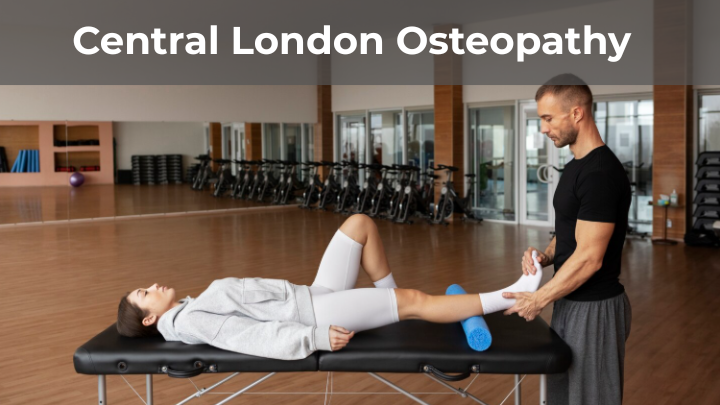
Modern life often places significant demands on the body. Long hours at a desk, frequent commuting, poor posture, stress, and reduced physical activity can all contribute to persistent aches and muscle tension. While many people rely on temporary pain relief methods, these often address only the symptoms rather than the underlying cause.
This is where Central London Osteopathy offers a different approach. Osteopathic care focuses on improving the body’s natural movement, reducing discomfort, and supporting long-term musculoskeletal health through hands-on treatment and personalised advice.
What is Osteopathy?
Osteopathy is a manual therapy that aims to improve the function of muscles, joints, ligaments, and connective tissues. Rather than concentrating only on the painful area, an osteopath evaluates how the entire body works together to identify the root cause of discomfort.
Treatment may include gentle joint mobilisation, soft tissue techniques, stretching, and practical advice on posture, movement, and daily habits. Every treatment plan is tailored to the individual’s condition, lifestyle, and recovery goals.
Why more people are choosing Central London Osteopathy?
Living and working in Central London can place considerable physical stress on the body. Office professionals, healthcare workers, fitness enthusiasts, and commuters commonly experience neck stiffness, shoulder tension, lower back pain, and joint discomfort.
Choosing Central London Osteopathy provides several advantages:
- Convenient access for busy professionals
- Personalised treatment plans
- Drug-free pain management
- Improved flexibility and mobility
- Support for long-term physical wellbeing
Instead of masking pain, osteopathic treatment aims to restore normal movement and reduce the likelihood of recurring problems.
Conditions Osteopathy can help manage
Many people seek osteopathic care for a variety of musculoskeletal conditions, including:
- Neck pain
- Lower back pain
- Shoulder pain
- Hip discomfort
- Joint stiffness
- Muscle tension
- Sports-related injuries
- Postural problems
- Headaches caused by muscle tension
An osteopath performs a thorough assessment before recommending a suitable treatment plan based on the patient’s individual needs.
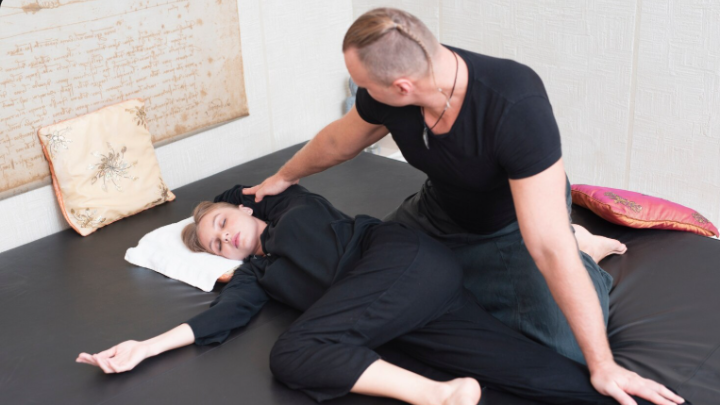
The importance of treating the root cause
Pain is often a symptom of an underlying mechanical issue within the body. Poor posture, muscle imbalance, repetitive strain, or limited joint mobility can all contribute to ongoing discomfort.
Rather than providing temporary relief alone, osteopathic treatment aims to improve the body’s overall function.
By addressing movement restrictions and muscular tension, patients often experience lasting improvements in both comfort and mobility.
Supporting an active lifestyle
Whether someone enjoys regular exercise or simply wants to move comfortably throughout the day, healthy joints and muscles play an essential role.
Osteopathic care can support active lifestyles by:
- Improving joint mobility
- Enhancing muscle flexibility
- Reducing muscle tightness
- Supporting injury recovery
- Helping prevent future strain
Many people also choose regular maintenance appointments to help keep their bodies functioning efficiently.
A personalised approach to treatment
Every patient experiences pain differently. Age, occupation, activity level, previous injuries, and overall health all influence recovery.
An osteopath develops a personalised treatment plan after completing a detailed assessment. Patients may also receive practical guidance on stretching exercises, posture correction, workplace ergonomics, and lifestyle adjustments to complement hands-on treatment.
This combination helps maximise recovery while encouraging long-term health improvements.
Building better daily movement
Small daily habits can have a significant impact on physical wellbeing. Sitting for prolonged periods, lifting incorrectly, or maintaining poor posture may gradually increase strain on muscles and joints.
Alongside treatment, osteopaths often educate patients about:
- Correct sitting posture
- Safe lifting techniques
- Regular movement breaks
- Home stretching routines
- Ergonomic workstation adjustments
These simple changes can help reduce future discomfort while supporting healthier movement patterns.
Conclusion
Persistent pain should not become part of everyday life. Seeking professional care early can improve mobility, reduce discomfort, and support better long-term musculoskeletal health. If you’re looking for trusted Central London Osteopathy services, London Osteopathy and Pilates provides personalised osteopathic care designed to help you move more comfortably and live with greater confidence.