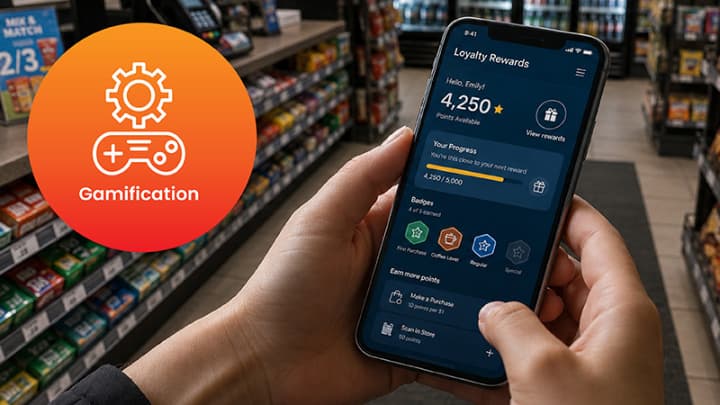
Attracting customers is just the beginning for retailers. The real challenge is giving them a reason to keep coming back. A common approach has been to use point-based loyalty programs. However, in today’s saturated market, these transactional models can become easy for consumers to overlook, failing to spark genuine excitement or build a deeper connection.
This is where gamified loyalty programs are making a difference. By going beyond traditional points-based rewards, these programs create memorable experiences that encourage customers to return and interact with a brand more often.
In this post, we’ll explore how retailers can use these strategies to turn occasional shoppers into repeat customers and loyal brand supporters.
What is a Gamified Loyalty Program?
A gamified loyalty program uses game-like elements within a rewards system to make customer interactions more engaging. It goes beyond simply tracking points by incorporating challenges, progress bars, levels, and other interactive elements customers can unlock.
Each purchase helps customers make progress toward a goal, creating a stronger sense of engagement and achievement.
Instead of simply focusing on purchases, gamified loyalty programs create an experience that encourages customers to stay involved and continue interacting with a brand.
Why Gamification encourages more repeat purchases?
Gamification works because it taps into natural motivators like achievement, progress, recognition, and rewards. When loyalty programs feel interactive, customers are more likely to participate and stay connected with a brand.
- When customers finish a challenge or reach a new level, they feel a real sense of achievement. It turns the experience into something rewarding and enjoyable, instead of just another task on their to-do list.
- When you add things like daily check-ins or progress bars, shopping becomes a regular habit. People start coming back to your store or app, not just to make a purchase, but to maintain their streak or hit a new milestone.
- A standard discount can feel like a simple promotion, but a reward unlocked through a specific challenge feels earned. This increases the perceived value of the reward and improves customer satisfaction.
- Gamification transforms loyalty from a simple transaction into an ongoing experience. When customers feel recognized and rewarded for their engagement, they develop a stronger connection with the brand.
Gamification features that retailers should include
If you want your gamified loyalty program to succeed, focus on features that keep customers engaged while keeping the experience simple.
Here’s a look at the must-have features that make these programs a success:
| Feature | How it works? | Retail benefit |
| Points | Customers earn credits for every dollar spent. | Basic foundation for all other rewards. |
| Levels | Customers unlock new tiers based on their total spend or activity. | Encourages long-term engagement. |
| Badges | Digital awards for completing specific milestones or actions. | Provides instant gratification and recognition. |
| Challenges | Time-limited goals like “buy three items a week.” | Drives immediate, short-term traffic. |
| Spin wheel | A chance-based game for random prizes upon checkout. | Adds excitement and immediate surprise. |
| Referral rewards | Bonus points for bringing new customers to your store. | Turns customers into brand advocates. |
| Daily check-ins | Points awarded just for logging into the store app. | Keeps the brand top-of-mind every day. |
| Purchase streaks | Rewards for consecutive visits or purchases. | Builds consistent, long-term habits. |
| Birthday rewards | Special offers are sent on a customer’s birthday. | Increases personal connection and sentiment. |
| Surprise bonuses | Unannounced rewards for loyal behavior. | Creates memorable experiences and strengthens retention. |
Types of Gamified challenges retailers can run
To keep your customers engaged, you need to offer a variety of challenges that feel rewarding and attainable. Here are a few effective types of challenges you can implement:
- Reward customers for reaching a specific number of store visits within a set timeframe. This encourages consistent foot traffic regardless of purchase size.
- Incentivize customers to explore different areas of your store by offering bonuses for purchasing products from categories they do not usually buy.
- Add special missions that match the season or holidays. For instance, you might run a “Summer Essentials” mission where customers earn rewards by picking up products for outdoor fun during the warmer months.
- Encourage customers to try new arrivals or featured items. You can offer bonus points or badges when they purchase specific new products.
- Use social proof to your advantage by rewarding customers who successfully refer friends or family members to your loyalty program.
How Gamification increases customer lifetime value
Implementing a gamified system does more than improve the customer experience—it can directly impact revenue-driving metrics like purchase frequency, basket size, and retention. By integrating these elements, you see improvements in the following areas:
- When customers are motivated by streaks or point-based levels, they visit your store more often to maintain their progress.
- Challenges that require reaching a certain spend threshold or purchasing from specific categories naturally encourage customers to add more items to their carts.
- Gamification creates a more engaging experience that encourages customers to continue interacting with your brand. Customers are less likely to switch to a competitor when they have invested time and effort into earning status or badges within your program.
- Interactive elements turn passive shoppers into active participants, leading to more frequent interactions with your brand’s digital platforms or loyalty app.
- By rewarding customers for sharing their experiences or bringing in friends, you turn your most loyal users into a dedicated acquisition channel.
- Fun and personalized experiences build emotional connections. Customers who feel valued and entertained are significantly more likely to remain loyal over the long term.
Common mistakes retailers make with Gamified Loyalty Programs
Even with the best intentions, retailers can sometimes hurt their results by over complicating the experience. Avoid these common pitfalls to keep your program effective:
- If the path to a reward is too long or requires an unreasonable amount of spending, customers will quickly lose interest. Keep entry-level rewards attainable to provide early wins.
- If your program never changes, customers can quickly lose interest. You should mix up your rewards program by offering more than discounts on your products, such as exclusive access, digital badges, or surprise bonuses.
- Many customers use their phones to manage their loyalty accounts. If your loyalty experience is difficult to access on mobile devices, customers are less likely to engage with it consistently.
- If a customer needs a guide to understand how to earn points or unlock a level, the friction will drive them away. Keep the rules simple, transparent, and easy to explain in a single sentence.
- A program that never changes eventually feels like background noise. Regularly rotate your challenges and themes to maintain a sense of urgency and excitement.
How POS-Integrated loyalty software makes Gamification easier?
Managing a gamified program manually can quickly become time-consuming. You need a system that tracks customer activity and rewards them. Loyalty software that integrates with the point-of-sale system automates everything.
- The system instantly updates points for every purchase, eliminating manual entry errors and delays.
- Customers see their progress and earned rewards immediately at the register or on their mobile device.
- Automated triggers send personalized digital coupons to customers based on their specific behaviors or milestones.
- By leveraging purchase history, the software delivers relevant, tailored challenges that resonate with individual shoppers.
- The system logs every transaction, providing the data needed to design targeted, effective gamification campaigns.
- You can set “set-it-and-forget-it” challenges that notify customers of new missions or badges without requiring constant staff intervention.
- If you operate multiple stores, the software ensures that customer progress and rewards remain consistent across every location.
- Access clear analytics to see which challenges drive the most traffic and which rewards are most popular, allowing you to refine your strategy based on actual results.
Conclusion
Gamified loyalty programs represent a shift in how retailers engage with customers. They give shoppers a reason to return beyond simply making another purchase. This approach goes beyond discounts by creating experiences customers are more likely to remember. Compared to traditional rewards programs, interactive loyalty experiences can create stronger connections and encourage more frequent engagement.
When you design these programs with care and connect them to a strong point-of-sale (POS) system, you get much more than extra foot traffic. You build stronger relationships with your customers, see them coming back more often, and boost your long-term profits.
The trick is to keep things simple at first, pay attention to how your customers respond, and tweak your approach as you go. When you make the shopping experience as rewarding as the rewards themselves, you turn one-time shoppers into your most loyal fans.