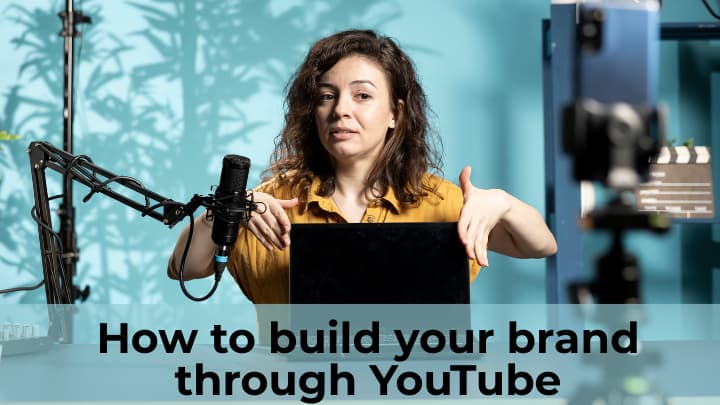
A strong YouTube brand does not come from following a rigid template. It comes from knowing what you want to say, who you want to reach, and why your channel should matter to them. YouTube is one of the most powerful platforms for that because it gives creators, businesses, and professionals a direct way to build trust through video. For the same, YouTube brand building is very essential.
If you use it well, YouTube can become more than a content platform. It can become the place where your audience learns your voice, sees your personality, and remembers your brand.
Why YouTube works?
YouTube works because it combines reach, storytelling, search visibility, and monetization in one place. It is the second-largest search engine after Google, which means people are already looking for answers, reviews, tutorials, and opinions there.
Video also helps people connect with you faster than text alone. They can hear your tone, see your style, and understand your point of view in a way that feels more personal.
On top of that, YouTube content can stay relevant for a long time, so one good video can keep bringing in views months or even years later.
Start with your unique identity
Before you upload anything, get clear on the identity of your brand. If that part is vague, the rest of the channel will usually feel vague too
Think about your purpose and your audience. Align it with the kind of content you want to make and the tone you want to use. Also ask yourself what makes you different from others in your space. A channel becomes memorable when it feels specific, not generic.
A simple brand position helps here. Choose a few words that describe the channel clearly, then let those words guide your thumbnails, titles, and video style.
Build the YouTube channel
Your channel page is the first impression, so it should feel clean and intentional. Start with a name that is easy to remember and easy to search.
Use a profile picture that fits the brand, whether that is a logo or a professional headshot. Add a banner that communicates what the channel is about and when people can expect new uploads. The About section should be short, clear, and written with a few useful keywords. A short trailer can also help. In a minute or two, you can tell new visitors who you are, what kind of videos you make, and why they should stay.
Once the channel is active, track what is actually working. Watch time, click-through rate, audience retention, subscribers gained, and traffic sources all tell you something important about how your videos are performing. Use first youtube comment finder Analytics to figure out what works and what does not.
Use those numbers to make better decisions. If a title is weak, change the way you frame it. If viewers drop off early, improve the opening. If certain topics perform well, build more around them.
The content strategy
A channel grows faster when the content has direction. Random uploads may get attention for a while, but a content strategy gives the audience a reason to come back.
You can mix educational videos, stories, behind-the-scenes clips, interviews, and personal takes depending on your niche. What matters is that the content feels connected to the same voice and purpose. That connection is what turns separate videos into a brand. You must also look for YouTube content with multi-language audio to grow it fast.
Video quality does not need to be expensive, but it does need to feel deliberate. Clear audio, stable visuals, and decent lighting matter more than flashy production. A smartphone can be enough if the shot is clean and the sound is strong. A simple microphone and natural light can improve the result more than people expect. Editing should support the message, not distract from it.
The opening matters a lot. If the first few seconds are weak, viewers leave early. Get to the point quickly, keep the intro short, and make the branding feel natural rather than forced.
Make it searchable
YouTube is a search platform, so each video should be written and packaged for discovery. The title should be clear and relevant, the description should explain the value of the video, and the thumbnail should make people want to click.
Tags, captions, and strong descriptions all help, but they work best when the video itself is useful. You also want viewers to interact, so make it easy for them to comment, subscribe, and keep watching. A good video is not only found by search. It also performs better when the platform sees that people are staying, clicking, and coming back.
Publishing the video is not the end of the process. You still need to put it in front of people. Share clips and links on the platforms where your audience already spends time. You can also place videos inside blog posts, email newsletters, and community discussions when they are genuinely useful. Repurposing the same idea into Shorts, Reels, or TikToks can extend the reach without forcing you to create everything from scratch.
Promotion works best when it feels useful, not pushy. People respond better when the content solves something for them.
Grow the audience and monetize it
Audience growth is not only about views. It is also about trust.
Replying to comments, asking for feedback, and using community posts can make the channel feel more alive. Live Q&A sessions and behind-the-scenes updates help people feel closer to the person or brand behind the videos. Over time, that connection turns viewers into supporters.
This is where brand loyalty begins. People stay not just because they like the content, but because they feel part of the journey.
The goal is not to chase metrics blindly. The goal is to learn what your audience responds to and adjust with purpose. Once the channel starts gaining traction, monetization becomes a real option. That can include ad revenue, sponsorships, affiliate links, merchandise, services, or digital products.
You can also grow beyond the channel itself by launching a podcast, newsletter, or related niche channel. The important thing is to treat monetization as part of the brand, not something disconnected from it.
Conclusion
A strong YouTube brand does not need to feel formulaic. It needs clarity, consistency, and a voice that feels real. When the structure feels natural and the writing sounds human, the channel becomes easier to trust. That is what turns content into a brand.