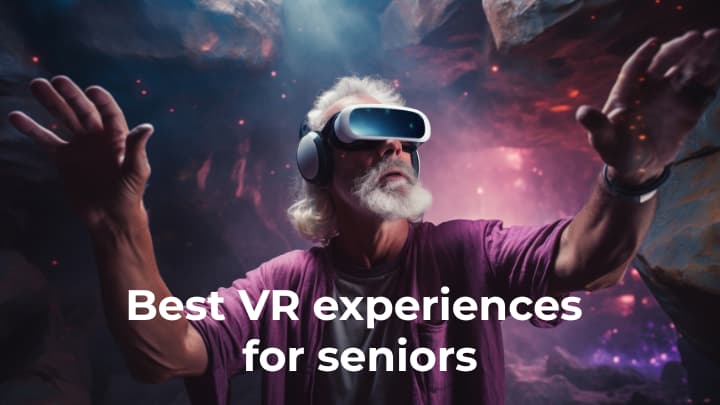
Virtual reality is no longer just for gamers. For seniors, VR can offer gentle movement, meaningful connection, and a safe way to explore the world without leaving home. Many assisted living communities are also beginning to use VR as an optional activity because it can be adapted for different comfort levels and mobility needs.
The best VR experiences for seniors are simple to start, comfortable to wear, and designed to reduce motion sickness while still feeling fun, calming, and immersive.
Guided travel and “Bucket List” exploration
One of the most popular virtual reality options for seniors is virtual travel. These experiences let seniors “visit” famous landmarks, museums, beaches, and cities through immersive videos or interactive environments. The best travel-style VR for seniors includes slow, steady camera movement and clear visuals that do not overwhelm the senses.
Seniors who enjoy history can explore ancient ruins, famous cathedrals, or cultural sites with narrated tours, while seniors who prefer nature can relax in panoramic views of forests, mountains, and ocean cliffs.
This kind of VR can be especially helpful for seniors who have limited mobility, because it provides a sense of adventure without physical strain. It can also spark conversation, storytelling, and memory sharing, which makes it a strong option for seniors who enjoy social connections.
Relaxation, meditation and stress relief in VR
Calming VR experiences can be a great match for seniors who want to reduce stress, improve sleep routines, or simply unwind. Many relaxation programs place seniors in peaceful settings like quiet lakes, gentle snowfall scenes, or guided breathing environments with soft soundscapes. The best choices for seniors avoid sudden noises, flashing lights, or fast transitions.
Instead, these experiences focus on slow pacing and soothing prompts that encourage steady breathing and relaxation. Some programs offer simple mindfulness exercises that seniors can follow while seated, which makes them accessible for seniors who tire easily.
Relaxation VR can also support seniors who feel anxious in unfamiliar environments, because it creates a predictable setting with a sense of control and comfort.
Light fitness, balance and gentle movement games
VR can support safe, low-impact activity for seniors when the experiences are designed with comfort and stability in mind. The best VR movement options for seniors include seated games, slow rhythm activities, or guided stretching sessions that encourage small, controlled motions. Some programs use simple targets, light boxing movements, or dance-inspired hand motions that keep seniors engaged without demanding quick footwork.
These experiences can make movement feel more enjoyable, which matters because seniors are more likely to stay consistent when an activity feels fun rather than forced. For seniors working on balance or coordination, VR can help with hand eye coordination and range of motion, but it should always be used with appropriate supervision when needed and with plenty of space to avoid accidents.
Social connection, memory stimulation and life story experiences
Some of the most meaningful VR experiences for seniors focus on connection and reminiscence. Seniors can join shared VR rooms for simple social activities, attend virtual events, or explore environments that encourage conversation with family members. There are also VR experiences designed to spark memories, such as “then and now” city tours, classic music environments, or gentle prompts that encourage seniors to reflect on personal milestones.
For seniors who feel isolated, even a short VR session that includes a familiar setting, comforting music, or a shared virtual moment with loved ones can lift mood and create a sense of closeness. The best social VR options for seniors keep controls simple, provide clear audio, and avoid crowded, chaotic spaces that can feel confusing.
Conclusion
The best virtual reality experiences for seniors are the ones that feel comfortable, safe, and genuinely enjoyable. Virtual travel can satisfy curiosity, relaxation programs can support calm and rest, gentle movement experiences can encourage activity, and social or memory focused sessions can reduce loneliness while keeping seniors mentally engaged.
When seniors choose VR options that match their interests and energy levels, virtual reality becomes more than entertainment – it becomes a practical, uplifting tool that supports quality of life.